


Restoring Cognitive Equilibrium. Accelerated in a Single Day."
Pioneered by world-leading neuroscientists. Powered by precision brain mapping. Delivered in a private sanctuary built around you.
Depression. OCD. Anxiety. PTSD. Addiction. Parkinson's. Pain Management. ADHD. Bi Polar. Depression. OCD. Anxiety. PTSD. Addiction. Parkinson's. Pain Management. ADHD. Bi Polar.

You shouldn’t have to choose.
Between precision and compassion.
Where Science meets humanity, healing finds equilibrium.
Breakthrough Science
World expert neuroscientist
Over 80 published articles
Advanced Protocols
State of the art equipment

Human Connection
World expert neuroscientist
Over 80 published articles
Advanced Protocols
State of the art equipment
Accelerated 1 Day Protocol
Condenses months of traditional, daily TMS treatments into a targeted, accelerated protocol designed for rapid symptom relief and minimal disruption to life.
3 Day TMS
Concentrated. Personalized. Immersive.
5 Day TMS
More Intensive. More Paced.

Depression
Info goes here

Anxiety
Info goes here

OCD
Info goes here

PTSD
Info goes here

Pain Management
Info goes here

Parkinson's
Info goes here

ADHD
Info goes here

BiPolar
Info goes here
Treatment Options
1 Day
INTENSIVE
For those who need to treatment fast without putting life on hold.
Maximun Efficiency
$6,500
3 Day
SIGNITURE
Concentrated treatment. Thoughtfully personalized.
Our Signature Experience
$9,500
5 Day
IMMERSIVE
An intensive path toward meaningful change.
More Time. More personalized pacing
$13,900
TMS
FOR TEENS
Priced to Your Needs
Maximun Efficiency
As Needed
Continue
MAINTENANCE
For those who need to treatment fast without putting life on hold.
Maximun Efficiency
$450/month

81%
Depression
73%
Anxiety
64%
OCD
76%
PTSD
Response Rates
.jpg)


"I didn’t realize how much of myself I had lost until TMS helped me find her again. The transformation has been incredible. I feel lighter, more present, and genuinely hopeful about the future. For me, TMS wasn’t just a treatment - it gave me my life back.”
- Equilibrium Client
"After seeing my daughter struggle with depression for years, after she was so willing to try therapy, medications, different physicians, and to see the desperate look in her eyes when she realized another new medication wasn’t helping, my heart broke. I could see she had no energy to do a demanding job, be a great mom to her children, and care for herself. She researched TMS and decided to try it. The difference was measurable within weeks. I’ll never forget when she said, “I feel like myself again”. Her spark returned in a way no medication had done for her. I have nothing but deep gratitude that she was able to have this treatment done."
- Mom of Equilibrium Client
“I had experienced standard TMS before, so I knew the treatment could help—but committing to weeks of daily appointments was incredibly challenging. Accelerated TMS changed everything. Being able to complete my treatment in one day was a game changer. It gave me the opportunity to prioritize my health without putting my entire life on hold. I’m so grateful there’s now a way to access TMS that fits real life.”
- Equilibrium Client

1 in 5
Americans experience a mental health disorder each year -many with no effective long-term treatment
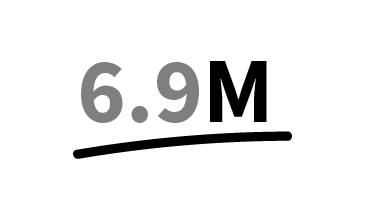
6.9 Million
Americans living with Parkinson's, Alzheimer's, or TBI -growing demand for neuromodulation therapies

30-40%
Of depression patients are treatment-resistant, exhausting pharmaceutical options

World-Class Clinical Leadership
Led by Chief Medical Officer Dr. Shan Siddiqi, a physician-neuroscientist shaping precision brain-circuit targeting.